
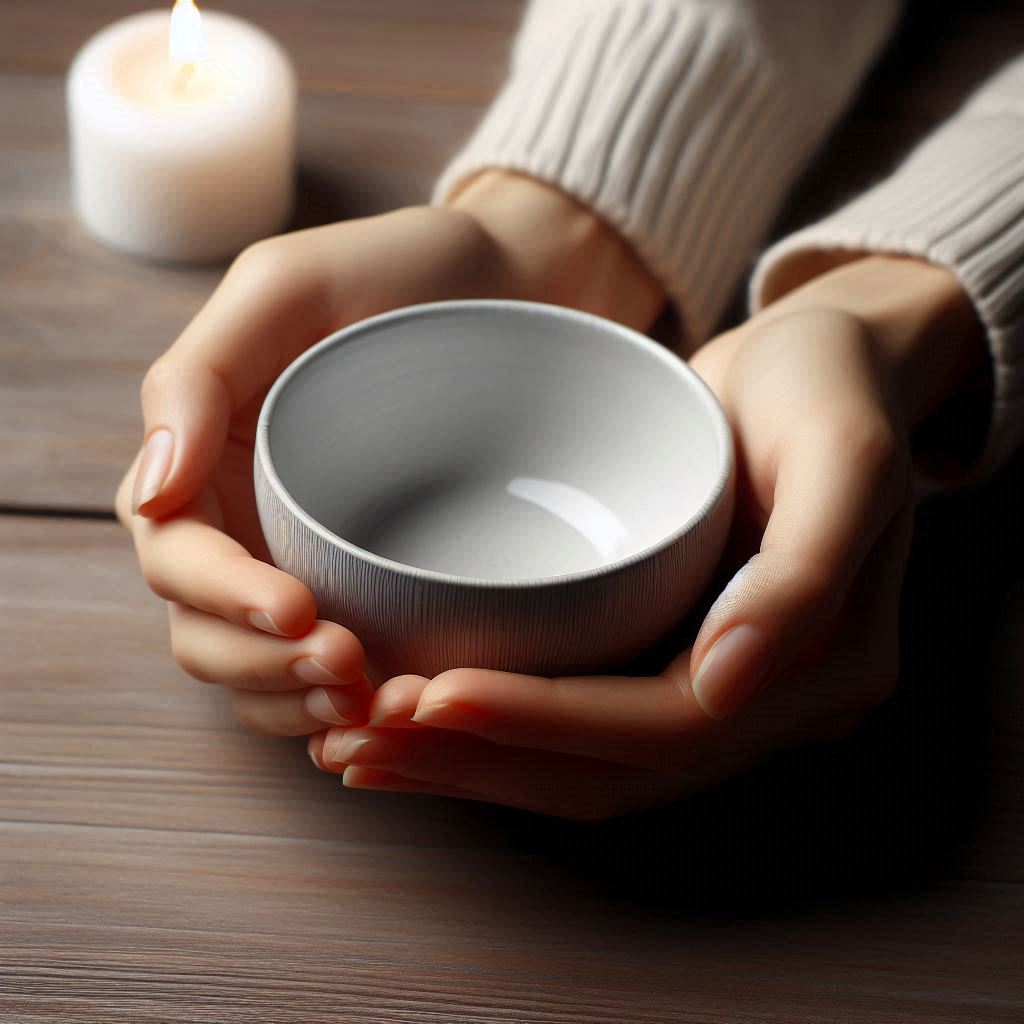
As part of memorising the Sermon on the Mount, I have recently been focusing on Matthew chapter 6. Jesus highlights that we shouldn’t do good things – such as giving to the needy, praying and fasting – for the wrong reasons, such as being recognised by others. When I’m trying to memorise a bible verse, words that I would normally skim over suddenly jump out at me. For example, in verse 16, I noticed the word “when”: “When you fast, do not look sombre as the hypocrites do…”. Jesus doesn’t say “If you fast”. He clearly assumes that his disciples will be doing these things.
As I meditated this passage, I reflected that fasting is not something that I do. It isn’t a discipline I have explored much. I have occasionally fasted with my husband when we were praying for big things, but that was a long time ago, and just for one meal. I recall that I really appreciated having the extra time not preparing and eating a meal to spend together and pray. If I’m honest, I’m far happier with the discipline of feasting than the discipline of fasting.
The idea of fasting was in the back of my mind for several weeks. I wasn’t entirely sure I could do it. Just not eat? Why? Would I just get really grumpy? Where would I even start?
And I had all sorts of practical questions… What are you meant to do? Are you allowed to drink?
In the end, it was a very mundane filling that prompted me to have a go at fasting. I wasn’t allowed to eat for a few hours, and then only soup, so why not try to turn this into my first fast for a while?
Why fast?
At first, I wasn’t clear why to fast, so my first step was to do some research.
John Piper, in this interview, describes fasting as “a heartfelt, body-felt exclamation point at the end of the sentence “I love you, God. I need you more than I need food – more than I need life.”
This Bible project video describes fasting as “a way to pray with your whole body”, and a way of acknowledging that “only God can satisfy your deepest longings”
It seems that fasting is a way of reminding your body that “man does not live by bread alone”. I have a habit of turning to food when I am stressed or tired, fasting could help retrain my mind and body to turn to God when I am in need, before reaching for food.
Fasting in the Bible is also undertaken when something really serious is happening, and you are interceding with God. Nehemiah fasts and prays before he goes to ask the king if he can return to rebuild Jerusalem. Esther fasts before approaching the king to ask for her people to be saved. Are our prayers more effective when we fast? Or does fasting make us more attentive and thorough in our prayers?
My research didn’t answer all my questions, but certainly helped to get a sense of why fasting is an important discipline for me to learn.
How to fast?
I found some helpful, practical tips about how to fast, which guided my approach:
- Start small – maybe just with one meal
- Have a clear purpose to fasting and a plan – make sure you schedule time for praying and/or meditation on God.
- Drink plenty of water (consider juice if needed)
- You don’t just have to fast from food. Other ideas are specific food items, or abstaining from TV or social media.
- If you fail, use it as a reminder of God’s grace!
I also found it really helpful to have a few suggestions of what to do with the time I had set aside:
- Spend some time repenting from your sins
- Worship
- Make your requests to God
- Keep a notebook handy!
My fast
I decided to start with a fairly short fast – missing supper on Thursday and breakfast on Friday. This meant I was fasting for approximately 23 hours, but only missing two meals. I chose only to have water and not tea or coffee, as I sometimes turn to these for my energy, and I wanted prioritise depending on God for my strength.
I was determined to prioritise making time to spend with God. I found this really hard to start with, but I set my timer for 15 minutes and followed a simple structure: repentance, worship, requests. At first, repentance was hard and a bit vague. On my second attempt, I found that the Church of England “Forms of Penitence” resources and Psalm 51 were helpful in focusing my mind and reflecting on how I fail to live up to God’s standards.
I used music to help me worship and meditate on God’s character. I love the Sanctus Real song “My God is still the same”! I also spent time thinking of the people in my life and their needs, and prayed for them specifically.
There were a few challenges. I still had to prepare dinner for my daughter, but I kept it simple, so it didn’t make things harder. I also felt much colder than usual! I also got a little anxious about doing jobs, particularly shopping, without having anything to eat, but I pushed this to later in the day.
Conclusion
I don’t feel more ‘holy’ having fasted, but it did help me focus on God for the rest of the day, even when things were difficult. I still turn to food when I’m struggling, but maybe repeated fasting will help me to remember that “my help comes from the Lord, the maker of Heaven and Earth” (Psalm 121), and that “those who trust in the Lord will renew their strength” (Isaiah 40:31). I will definitely be giving it another go!


 All about that grace
Leave a reply to Grace Cancel reply